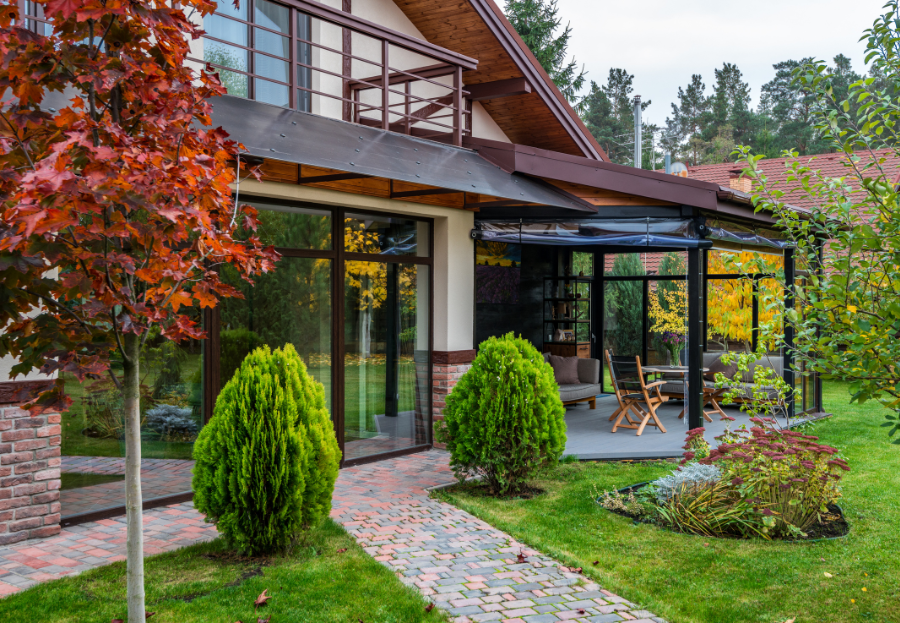
Small Space Landscaping 101
Small Space Landscaping 101: How To Plan & Use Small Yards Maximizing a tiny yard requires smart design strategies to turn compact spaces into multifunctional outdoor retreats. Effective…

Small Space Landscaping 101: How To Plan & Use Small Yards Maximizing a tiny yard requires smart design strategies to turn compact spaces into multifunctional outdoor retreats. Effective…
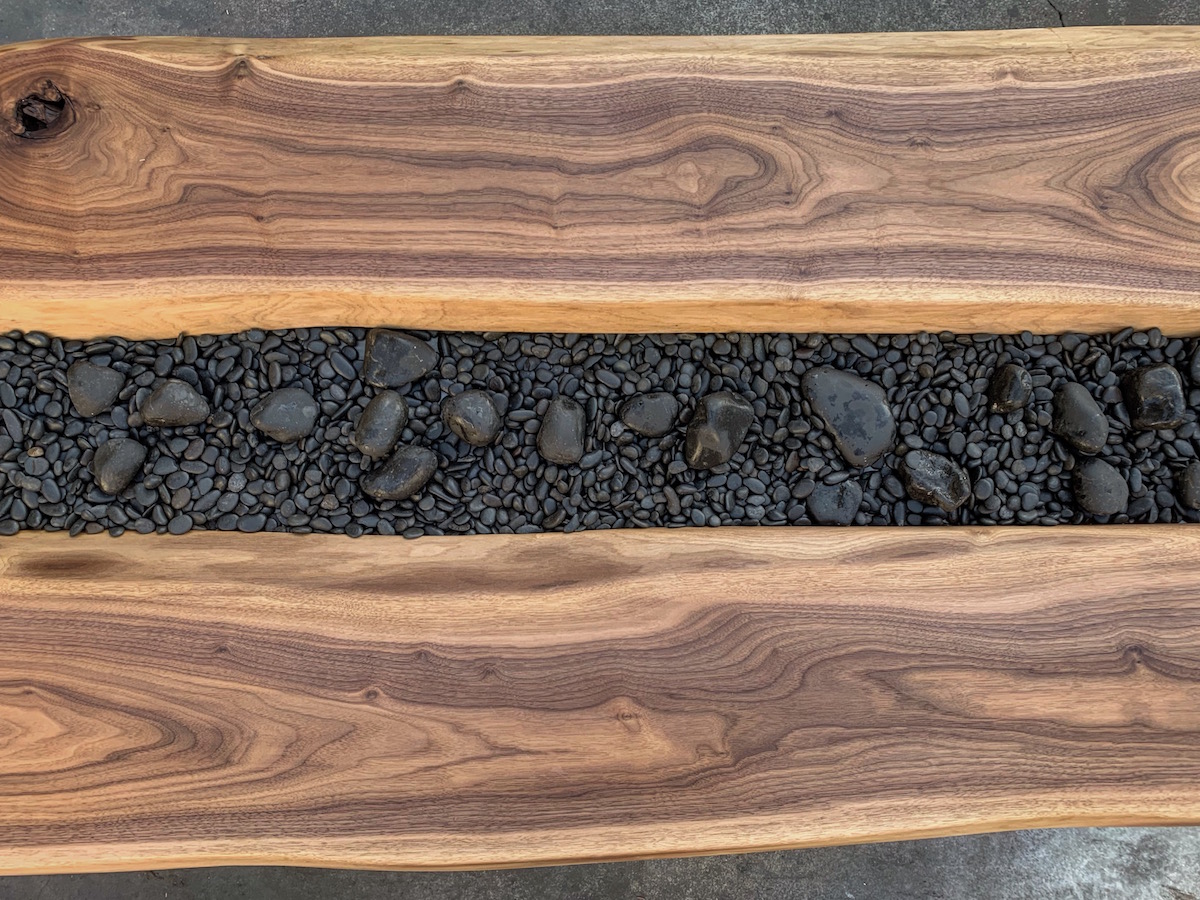
Crafting a Serene Oasis: Creating a Rock Garden Without Plants Rock gardens are a captivating feature in landscaping, known for their aesthetic appeal and ability to transform a…
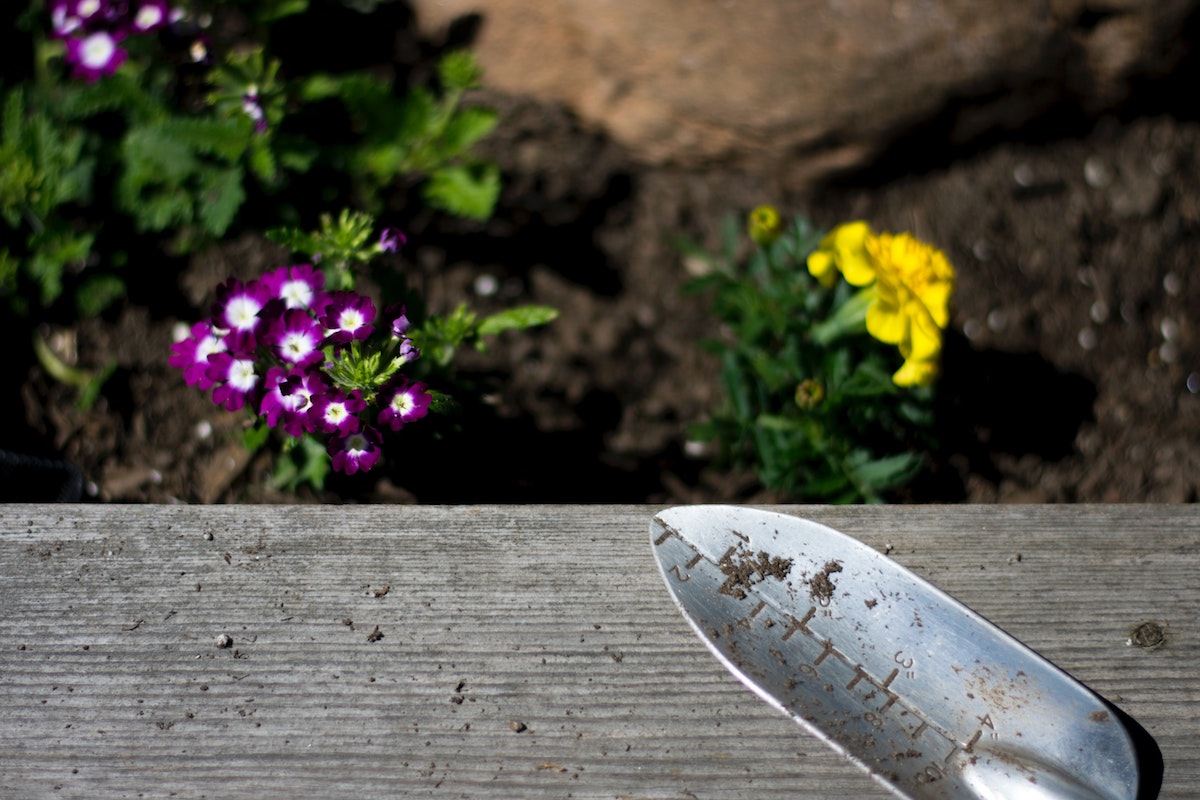
No matter the weather it’s always a good time to consider planting a garden. With preparation and planning, you’ll have enough time to get your brand new garden…
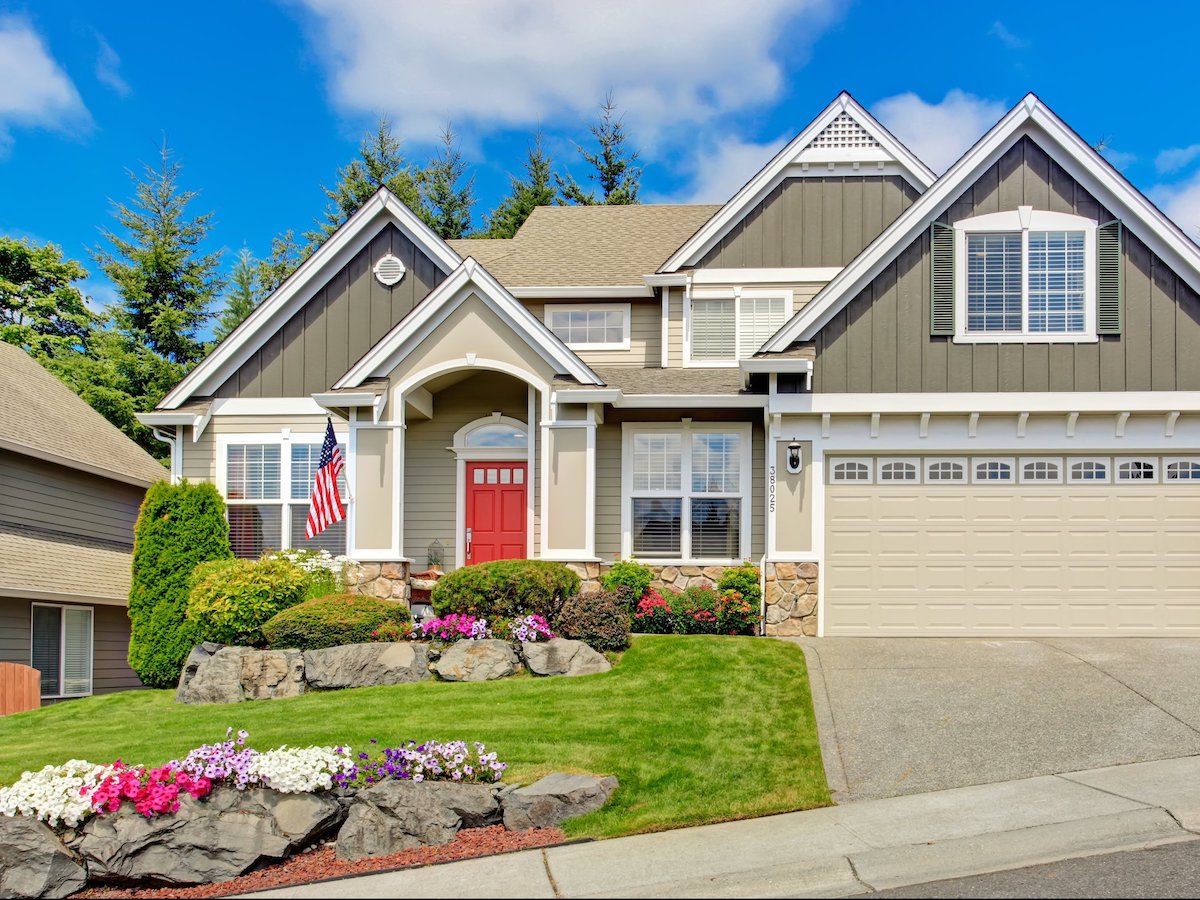
Welcome to our guide on flowers perfect for curb appeal! When it comes to boosting your home’s curb appeal, there are few things more effective than a well-designed…
Best Ideas for Low-Maintenance Flower Beds That’s right! Yours! You may be looking outside and desiring to spice up your yard with the right flowers but concerned about…
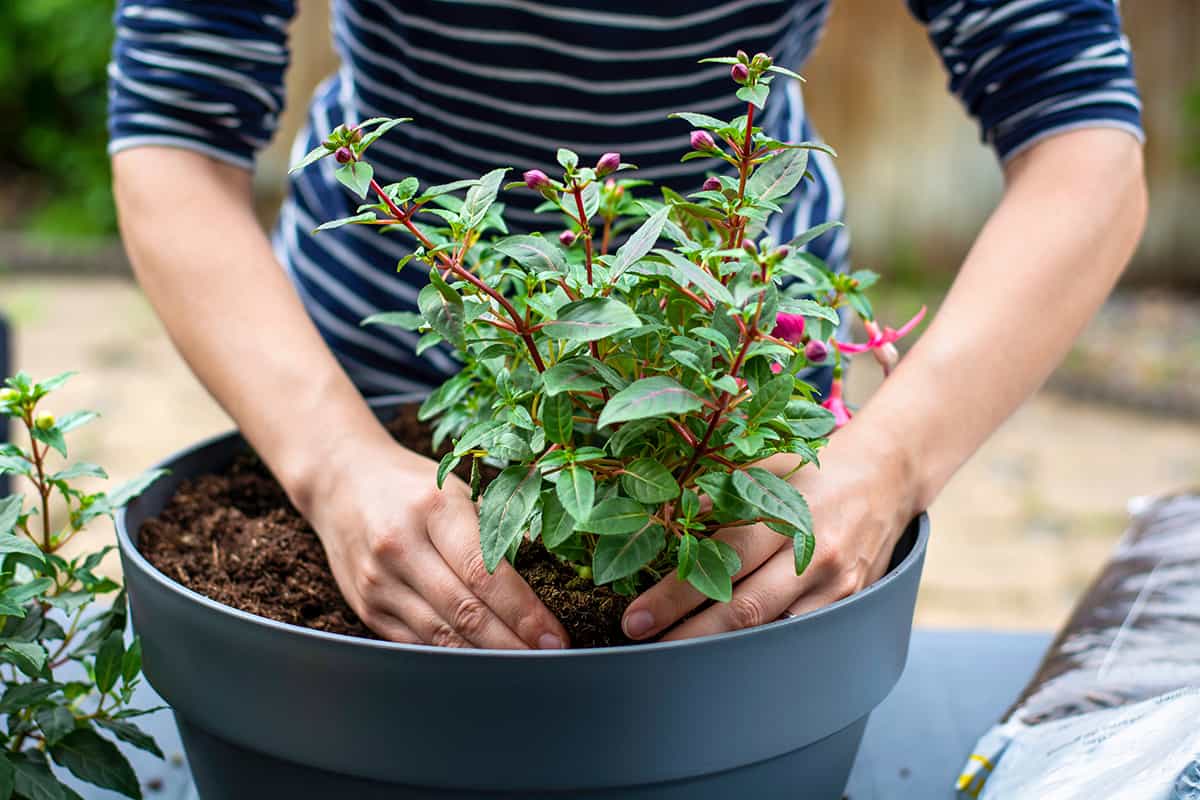
So, how do you know if a plant is well established? The first indicator is a healthy soil environment. Healthy soil is a great indication that your plant is established and has been growing well for several months or more. You can tell your soil is healthy when it is dark in color, not water-logged, and crumbly.
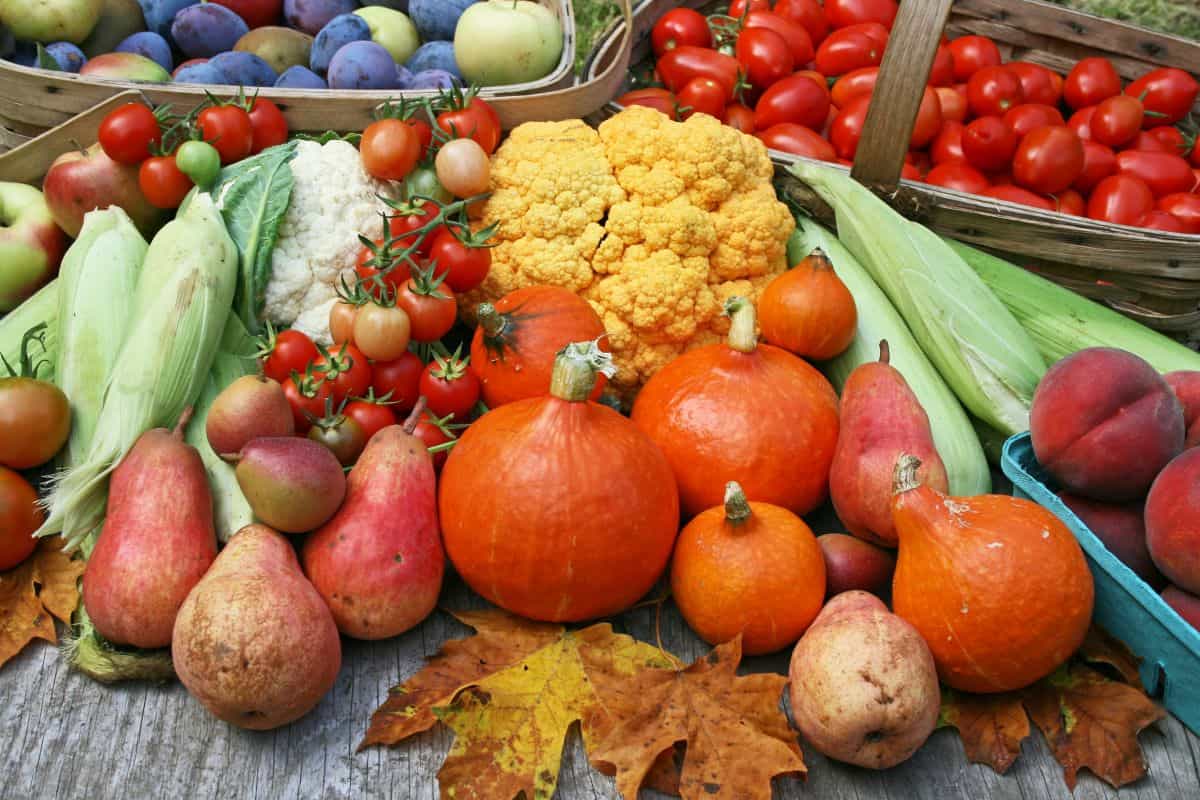
Protect Your Vegetables From Winter Weather With These Helpful Tips Growing vegetables is a great way to provide your family with healthy, nutritious foods. However, all of that…

Best Flowers for Blooms In The Winter Many different flowers bloom during the winter months. However, six flowers, in particular, are known for blooming in the winter. One of…
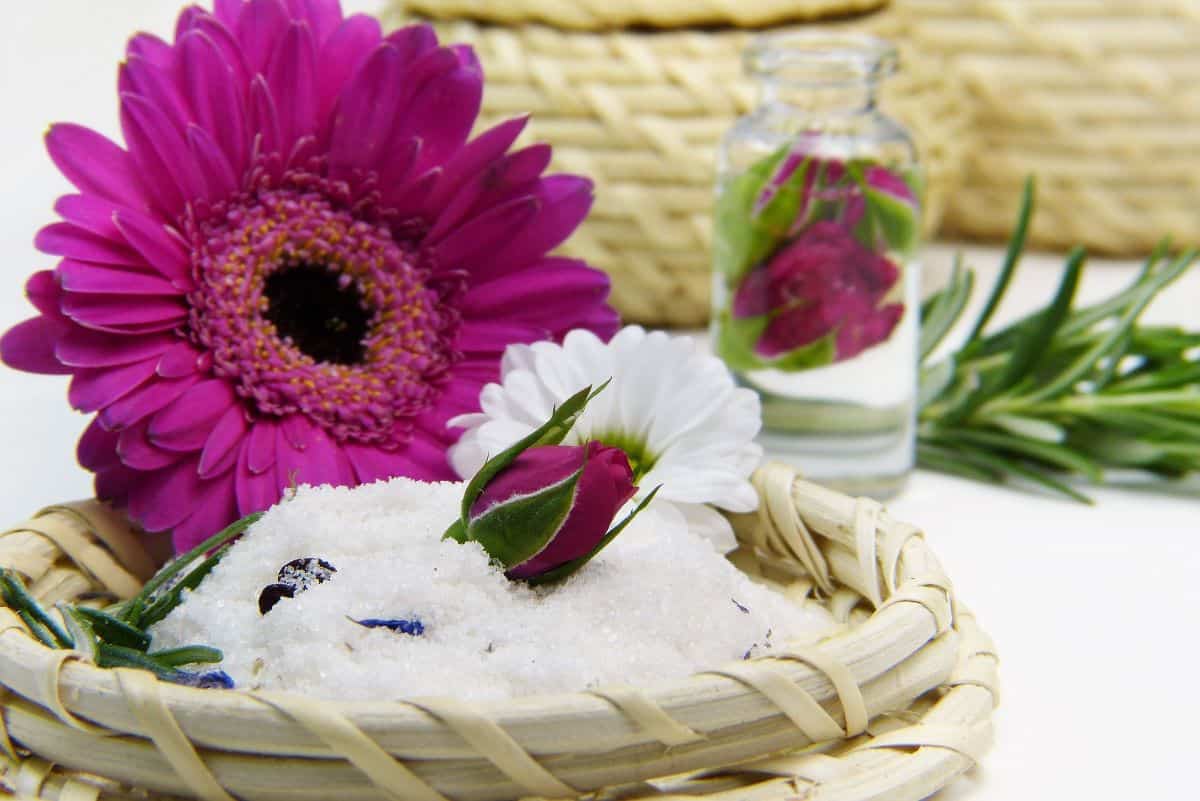
So, should you use Epsom salt for plants? When deciding when and how to add Epsom salts to your plants for healthy growth, it is important to know the benefits and disadvantages of adding apron salts to them. Epsom salts can protect against plant diseases and deficiencies, provide essential elements for growth, break down minerals to make them more soluble, and make it easier for roots to grow.
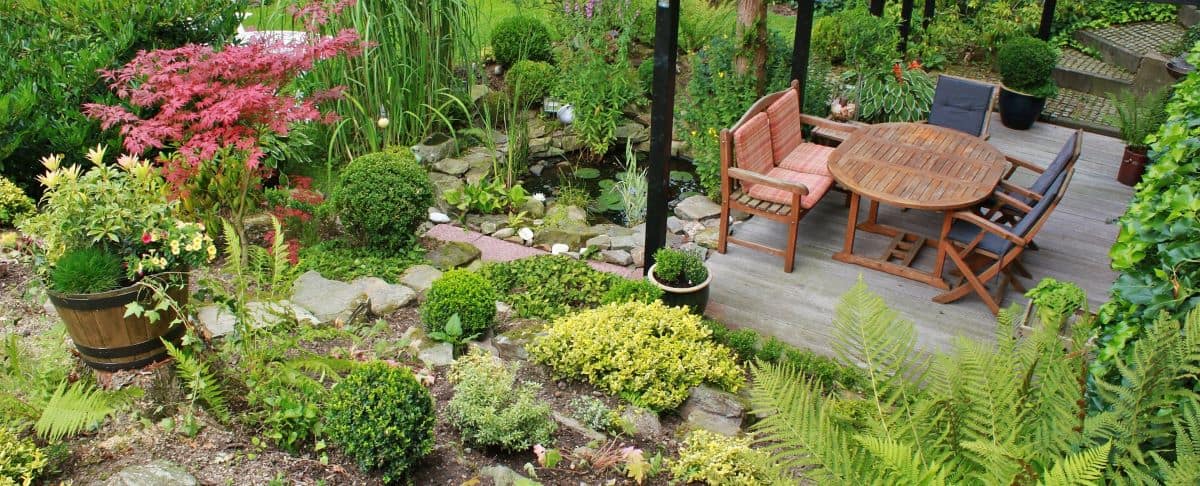
So, here are nine things to consider for the planning perfect garden layout: Budget, Tone, Zone, Commitment, Variety, Decor, Access, Seasons, Privacy/Protection