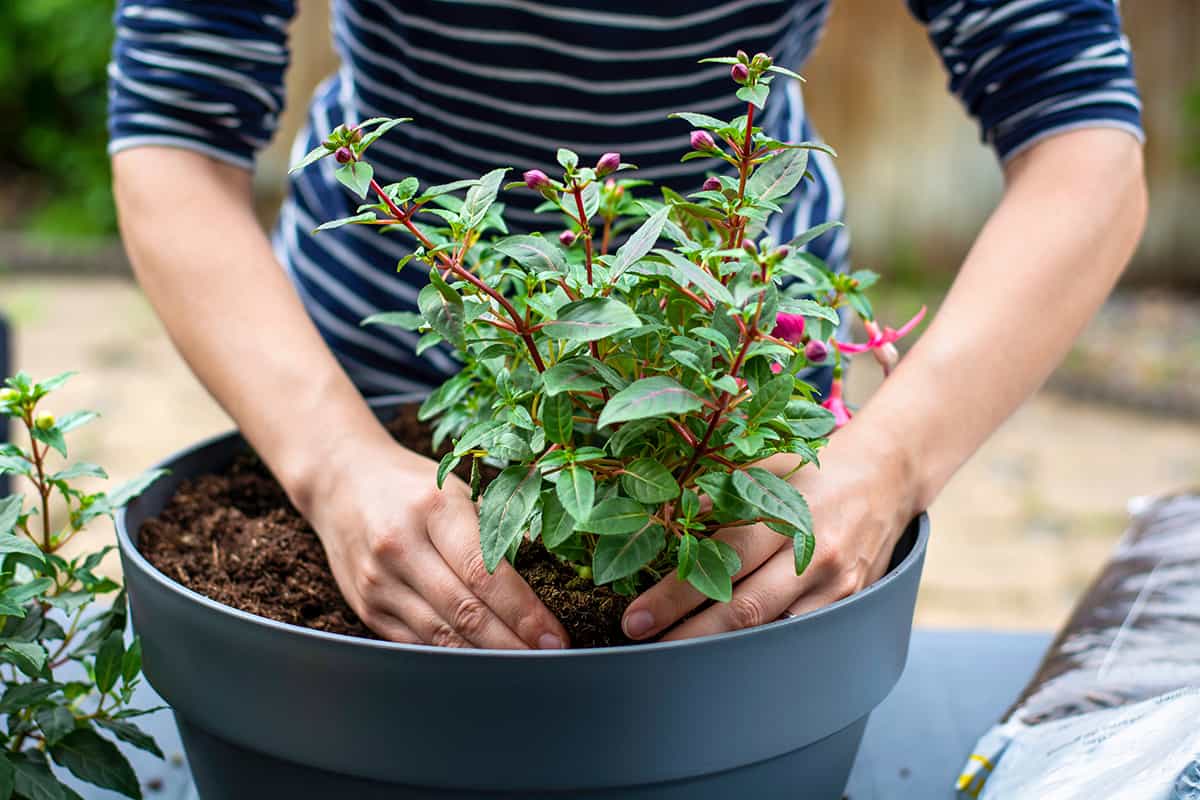
So, how do you know if a plant is well established? The first indicator is a healthy soil environment. Healthy soil is a great indication that your plant is established and has been growing well for several months or more. You can tell your soil is healthy when it is dark in color, not water-logged, and crumbly.
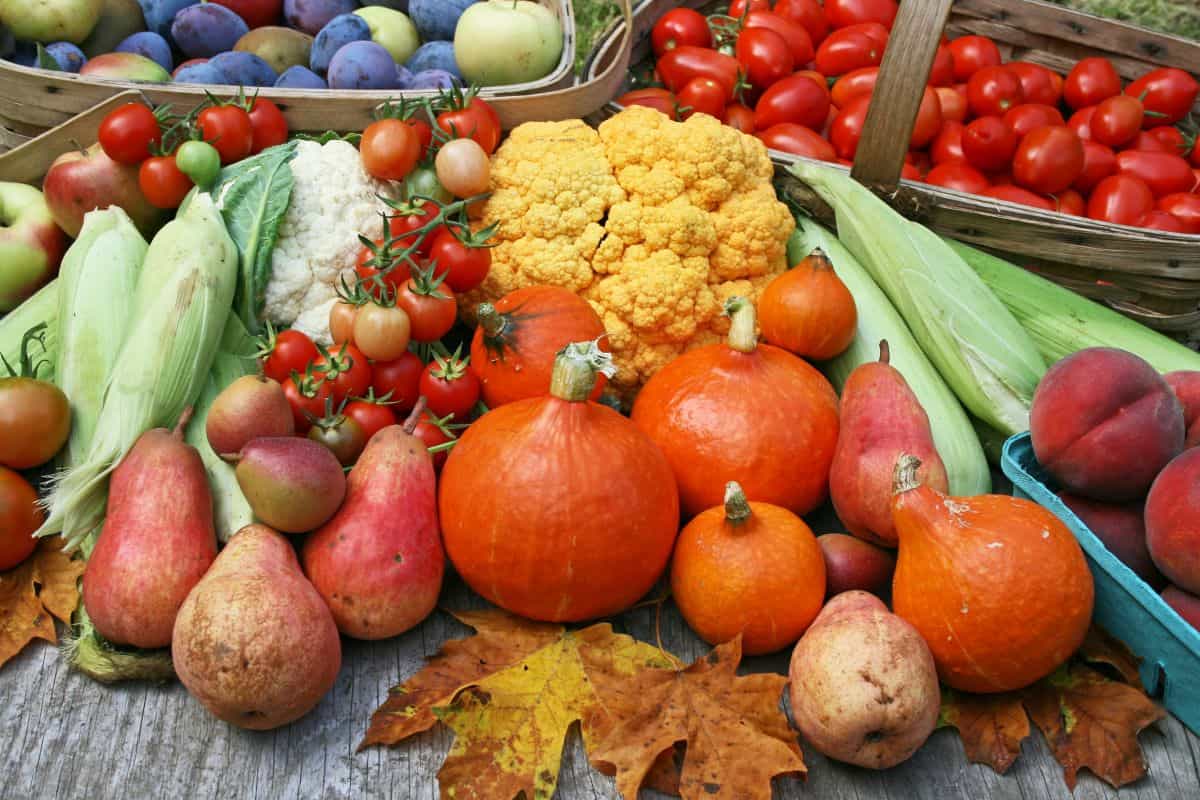
Protect Your Vegetables From Winter Weather With These Helpful Tips Growing vegetables is a great way to provide your family with healthy, nutritious foods. However, all of that…
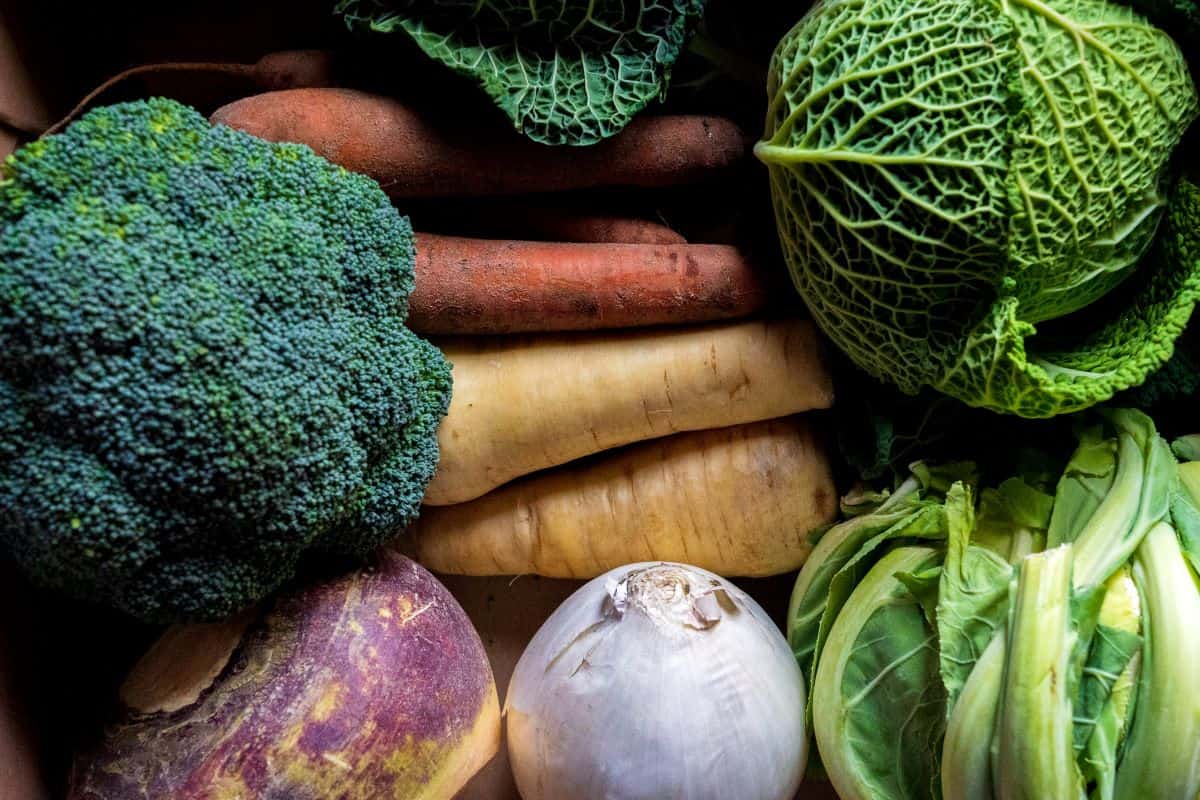
Winter Garden Vegetables That Thrive In the Cold We all know that garden vegetables grow during the summer months. But garden vegetables can also grow during winter! When…
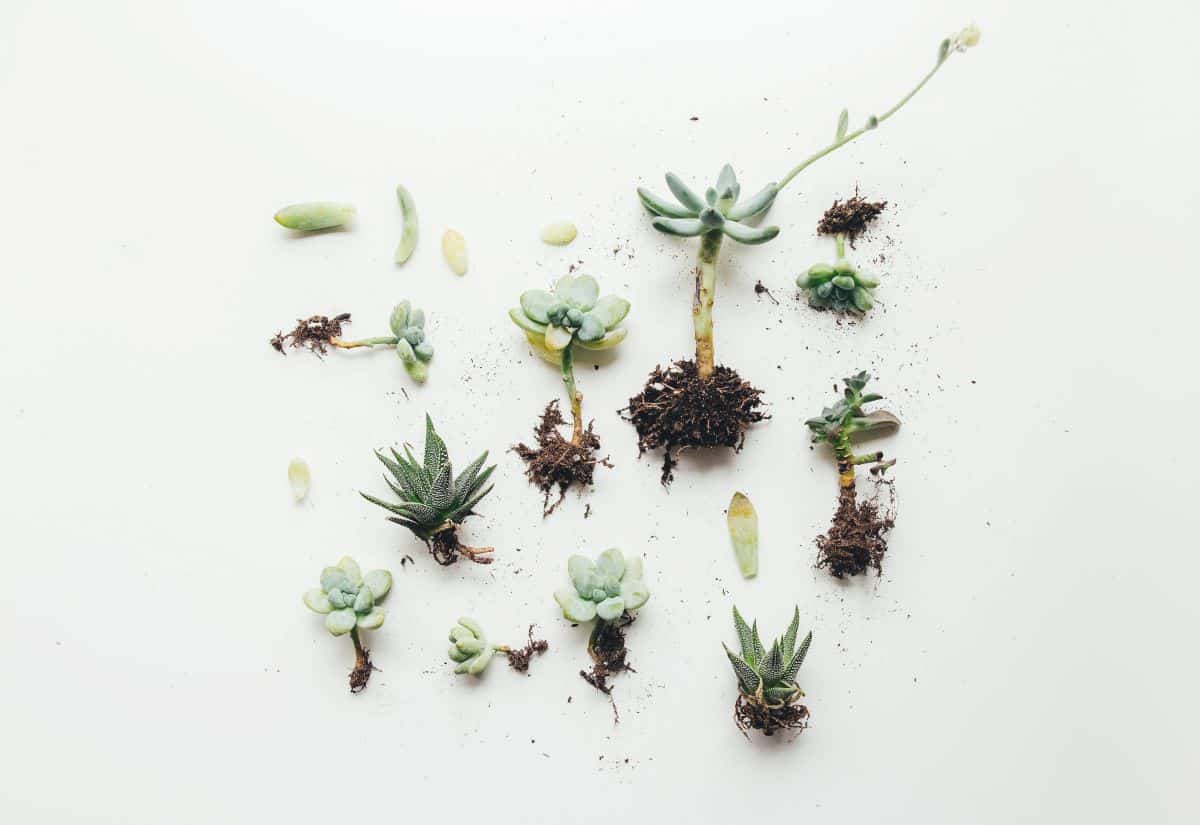
Tips for Successfully Splitting Plants Splitting plants is an effective way to grow more plants. This will help you avoid buying new plants, as splitting them allows you…
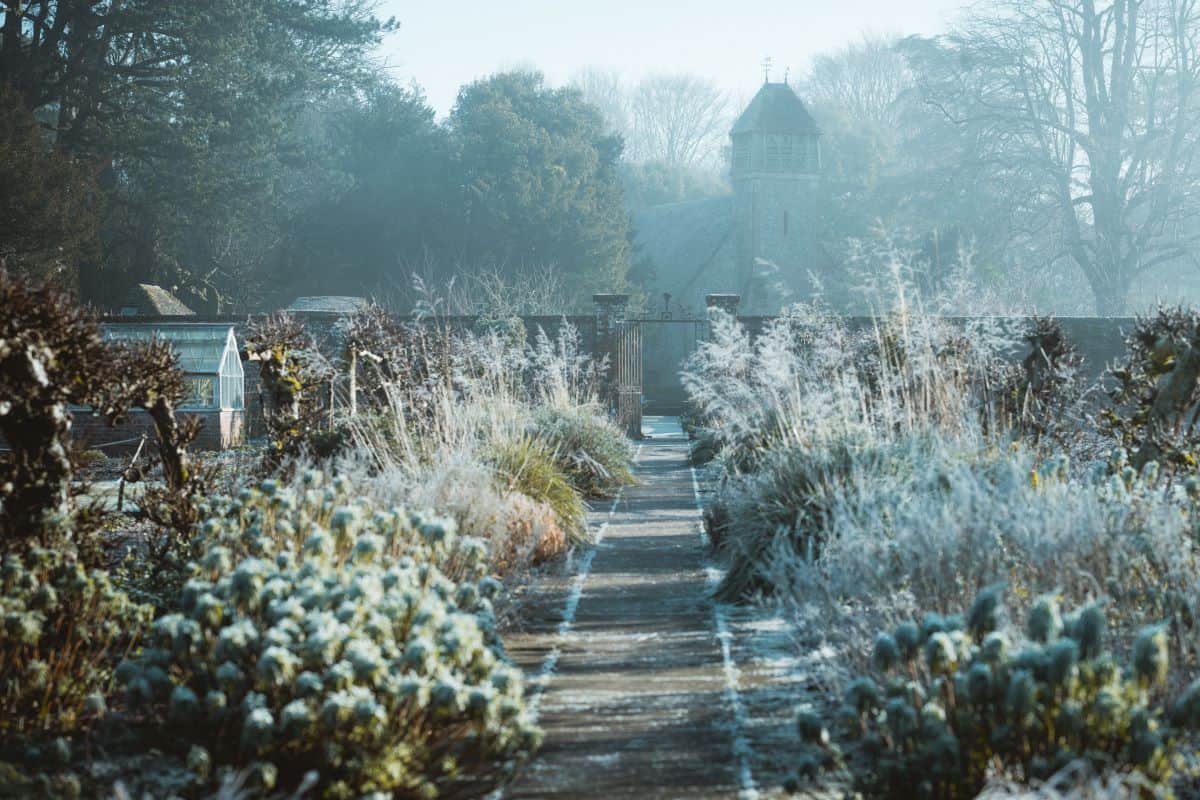
Best Ways to Winterize Your Flower Bed Think of your summer flower bed as an annual, something that needs constant attention to stay healthy and beautiful through the…
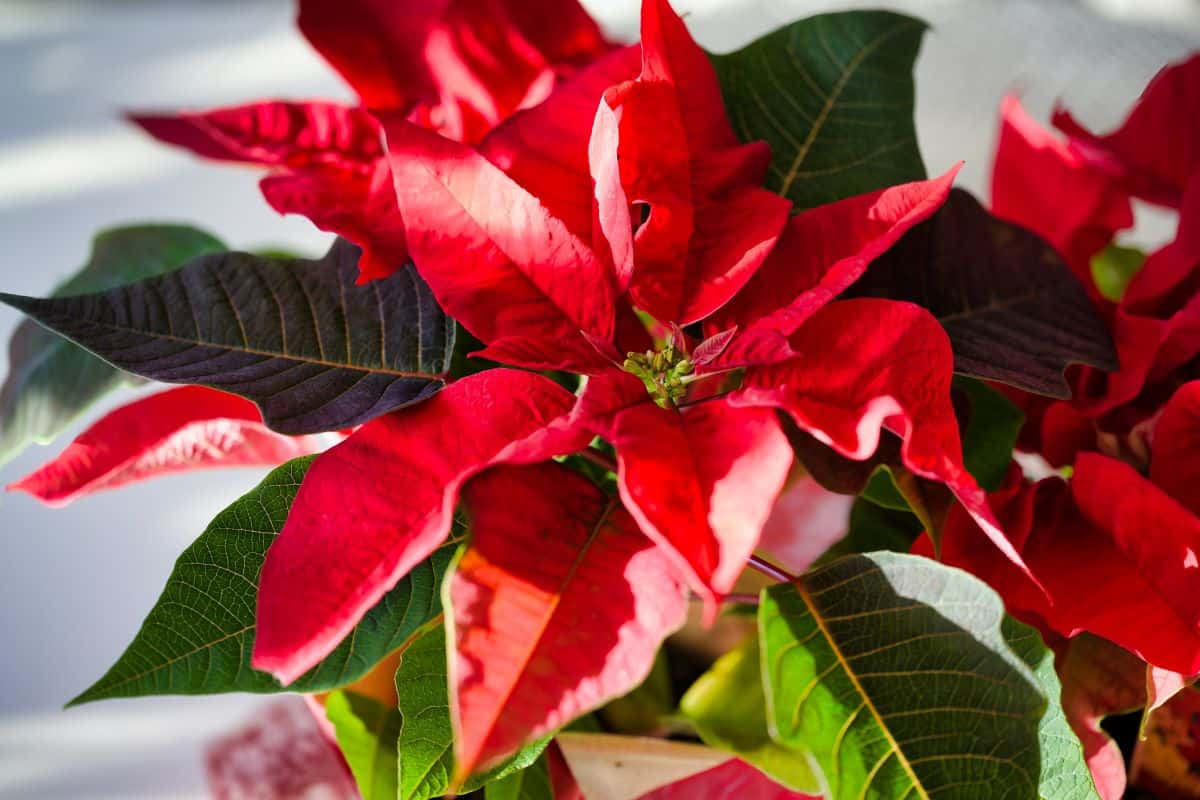
Best Flowers for Blooms In The Winter Many different flowers bloom during the winter months. However, six flowers, in particular, are known for blooming in the winter. One of…
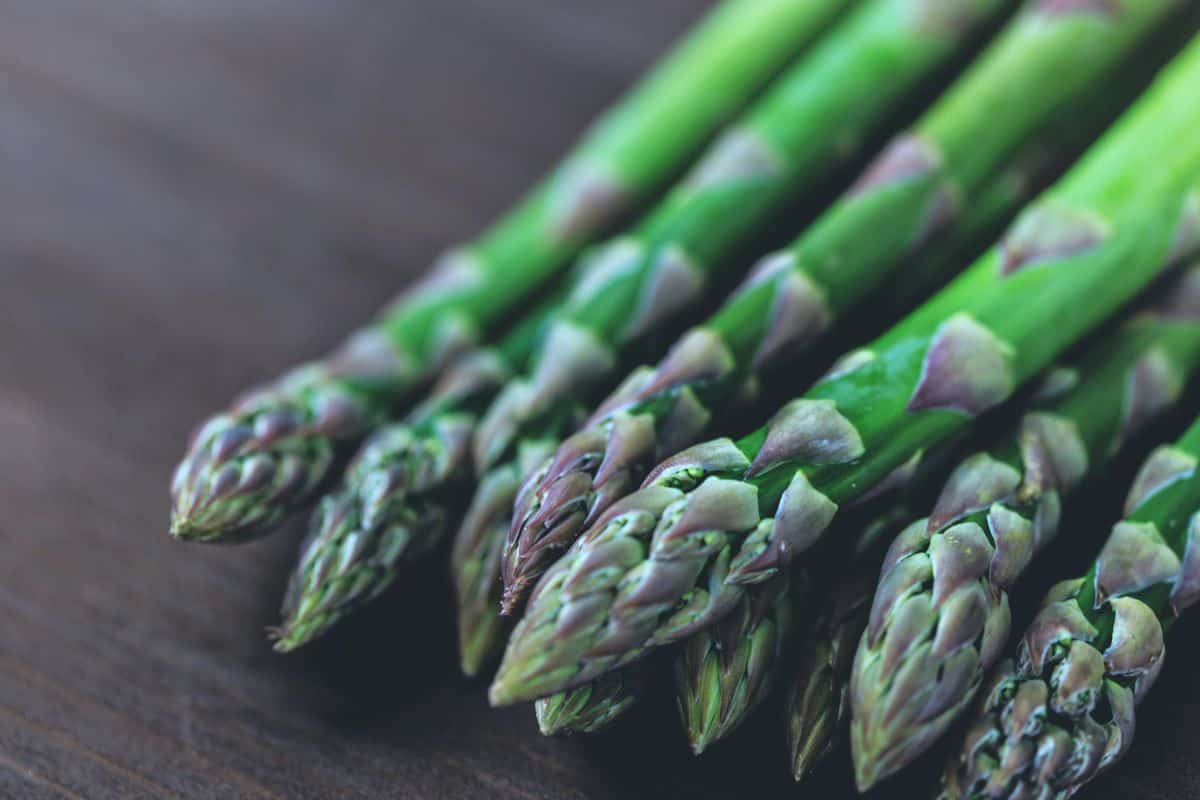
Growing the Best Harvest With Asparagus Seed When I was recently looking into growing my asparagus in my backyard, I realized that there is a lot of information…
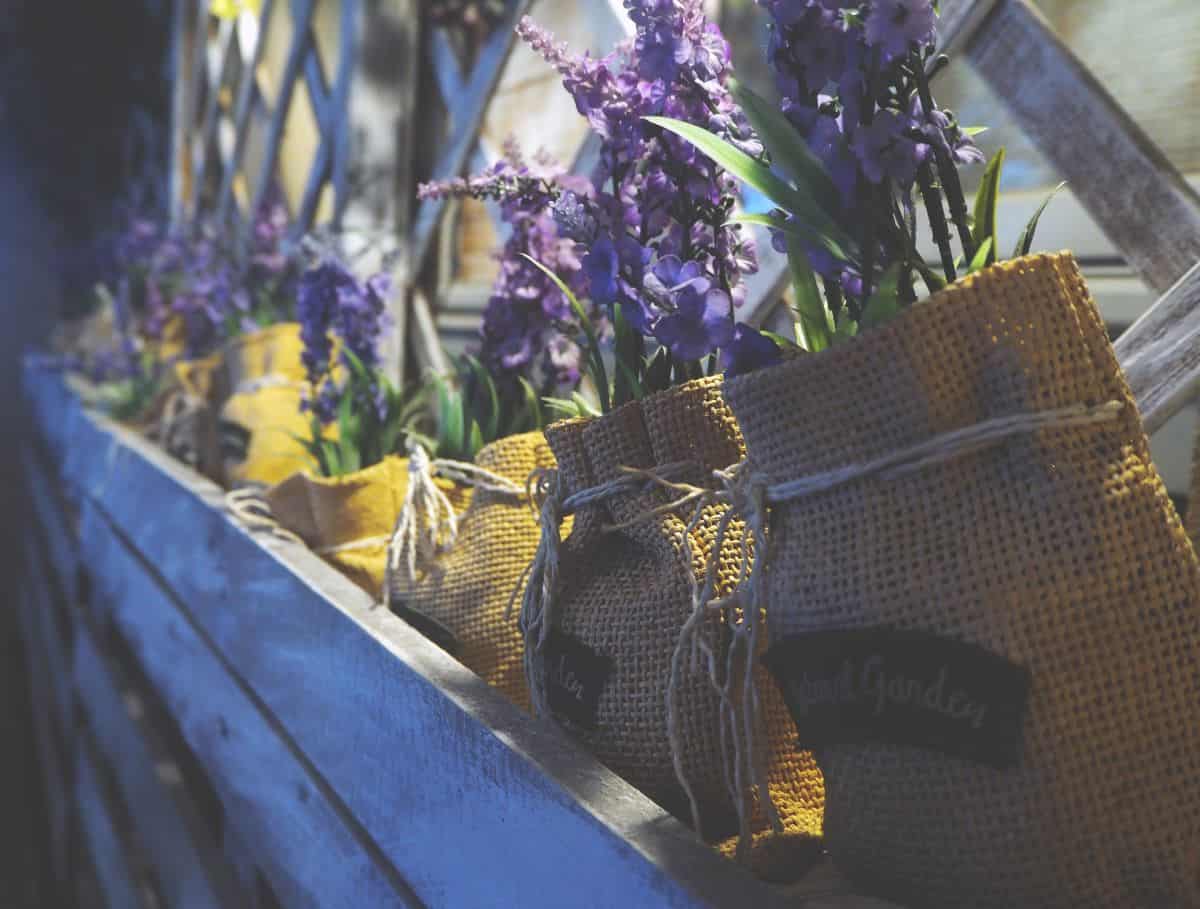
Is it possible to have an indoor garden using garden containers? Yes! Garden containers are the best way to create an indoor garden, as you can move them around your house and bring your plants wherever you please. Garden containers can come in many shapes and sizes: from a beautiful wooden wine barrel to a more modern, square pot.
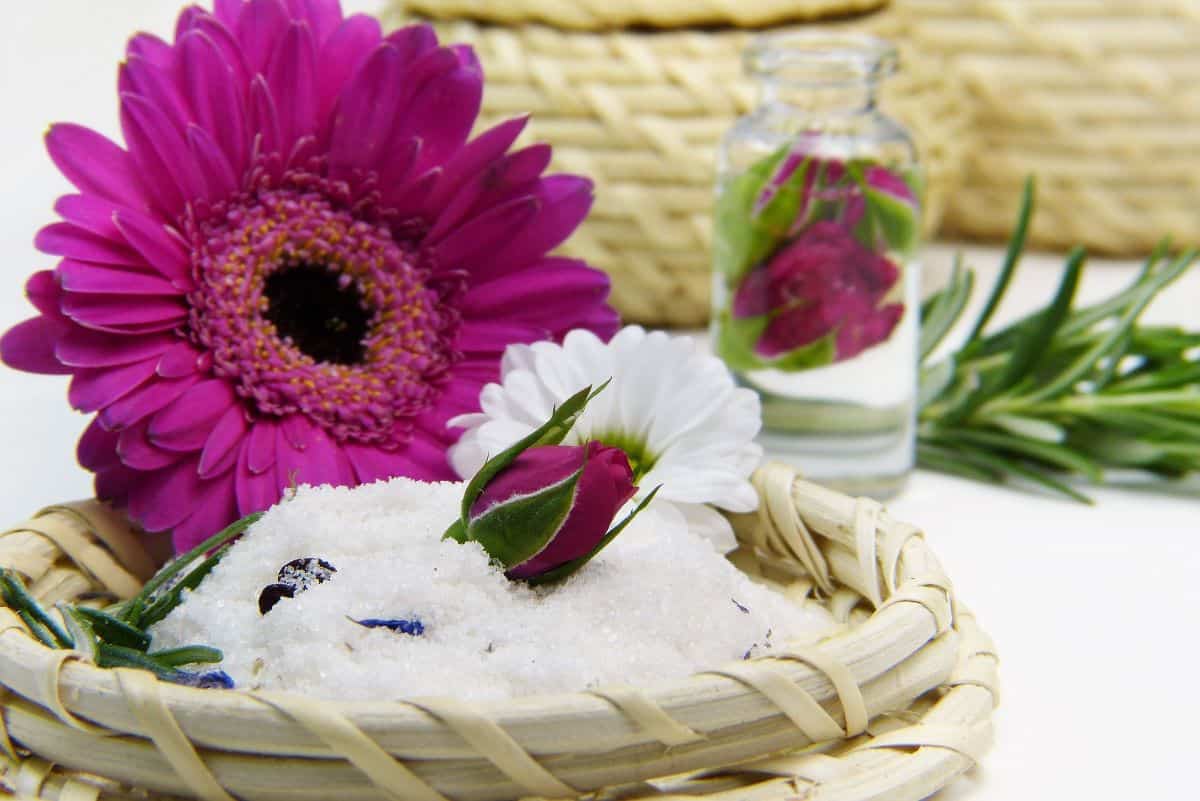
So, should you use Epsom salt for plants? When deciding when and how to add Epsom salts to your plants for healthy growth, it is important to know the benefits and disadvantages of adding apron salts to them. Epsom salts can protect against plant diseases and deficiencies, provide essential elements for growth, break down minerals to make them more soluble, and make it easier for roots to grow.
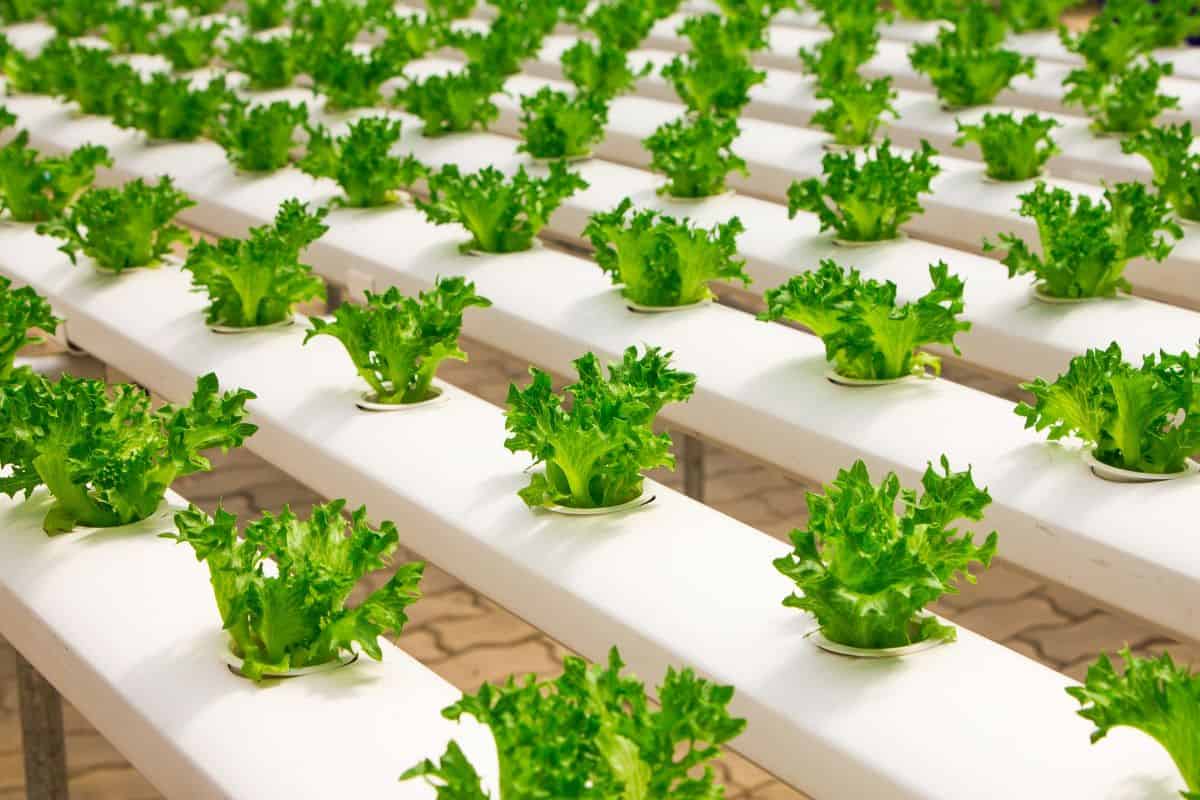
There are many challenges to the old-school way of gardening and hydroponic gardening addresses those challenges. The soil can use its nutrients after many years of use of the same land. Hydroponics allows you to grow more food while using less space and resources.
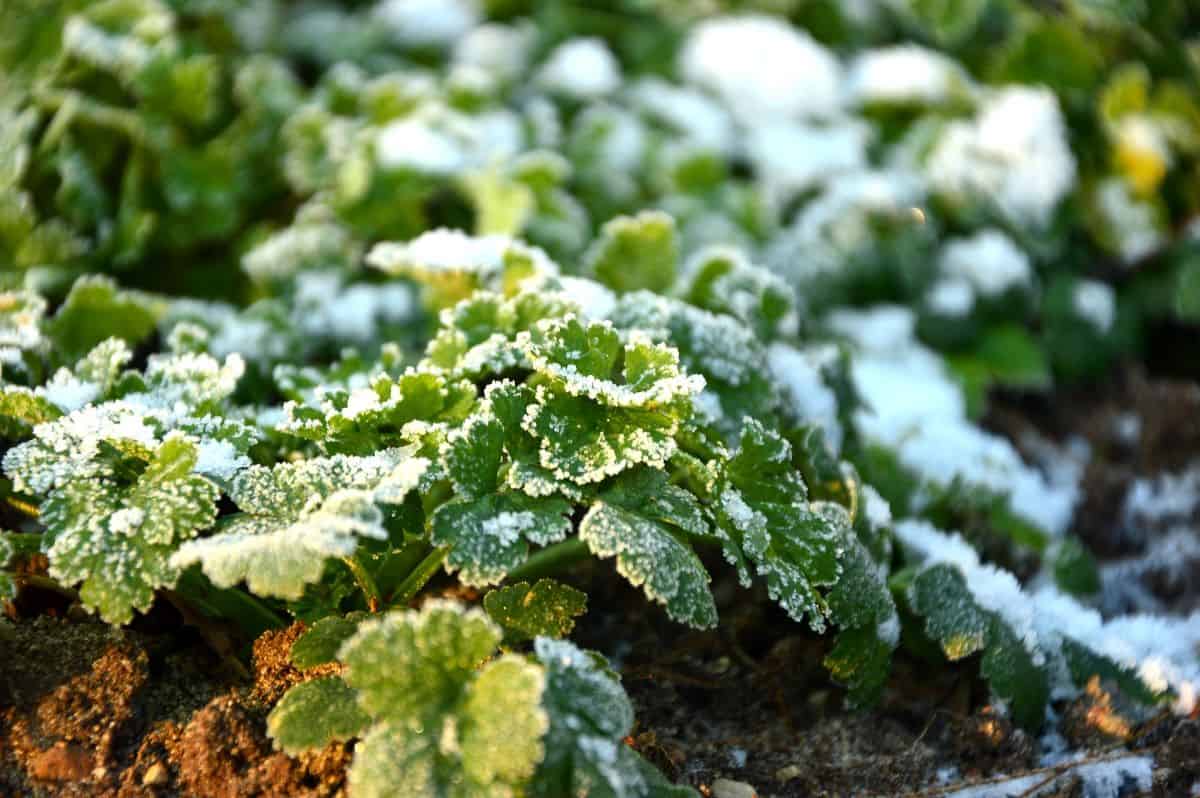
So, what herbs can I grow in the winter? Some of the best herbs to grow in the winter and year-round include:
Basil
Bay Leaves
Dill
Marjoram
Rosemary
Sage
Thyme
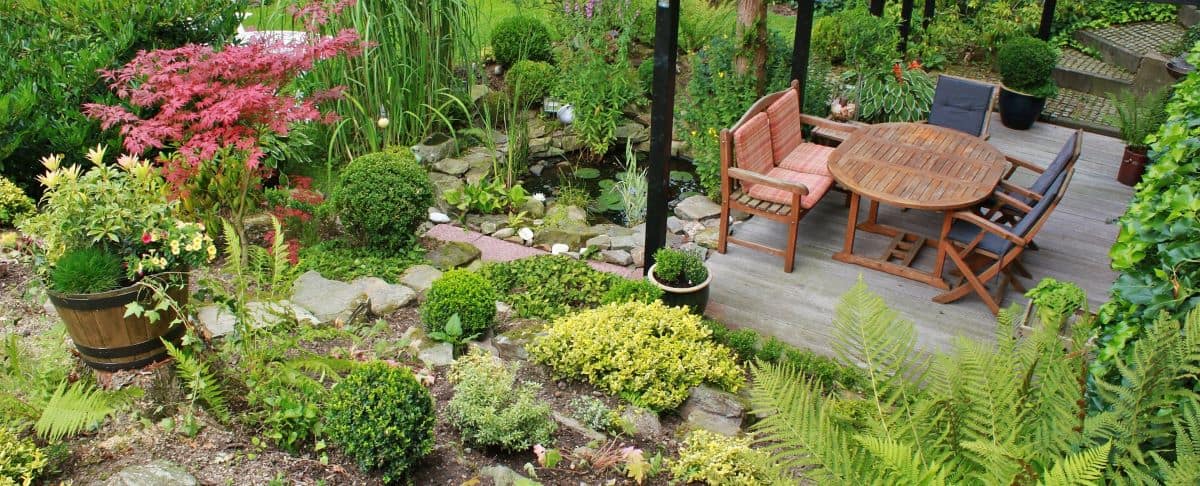
So, here are nine things to consider for the planning perfect garden layout: Budget, Tone, Zone, Commitment, Variety, Decor, Access, Seasons, Privacy/Protection
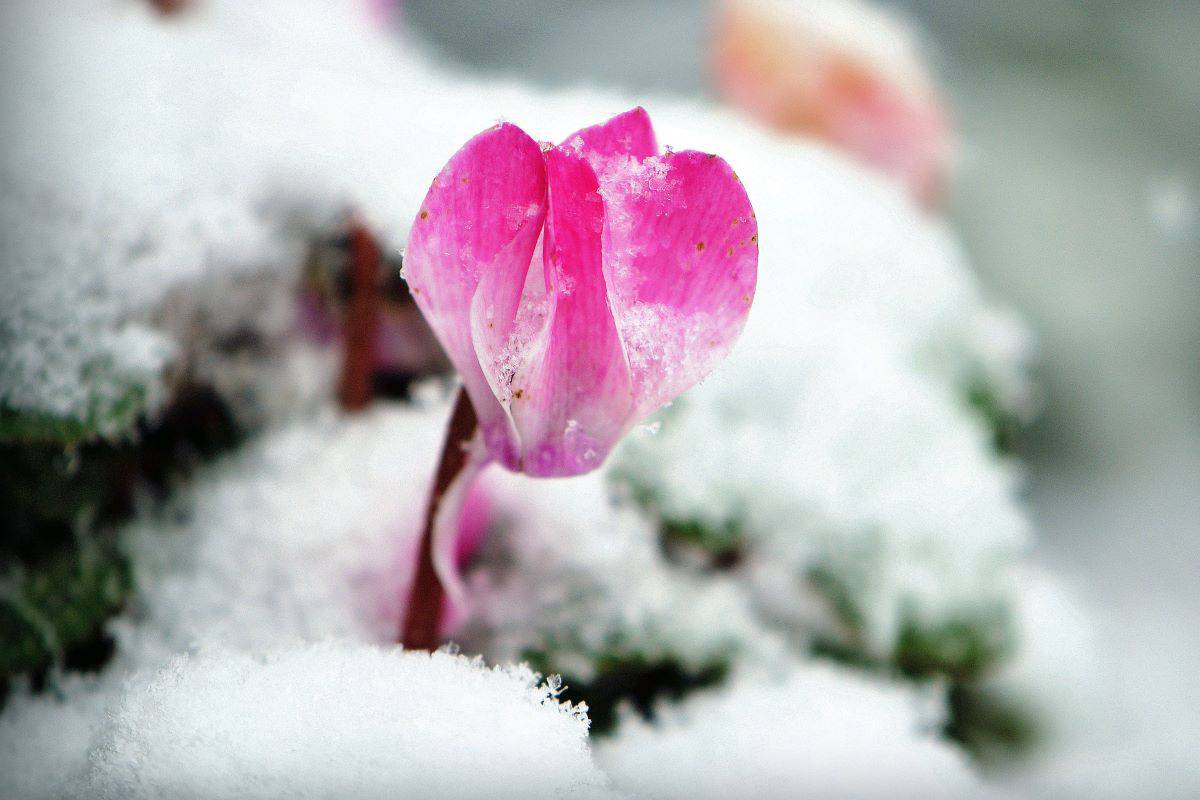
So when winter does arrive in the garden, what will grow and thrive? While many plants and flowers will die once winter begins, several plants will grow and thrive. These include:
Evergreens
Various Vegetables
Annual Flowers
Herbs
Plant Bulbs